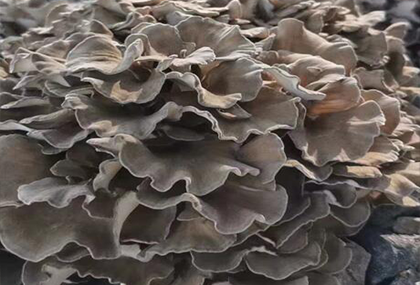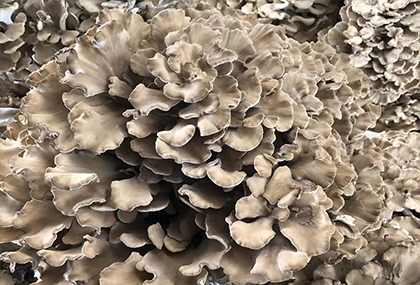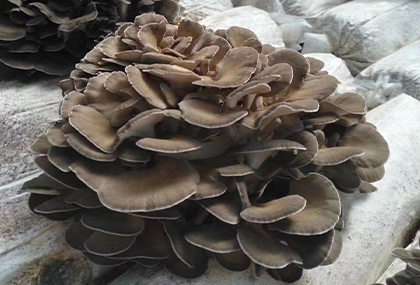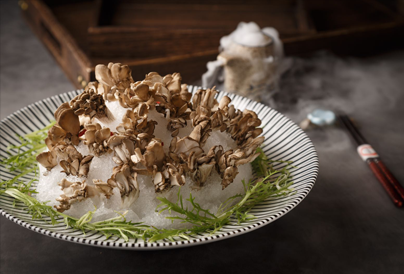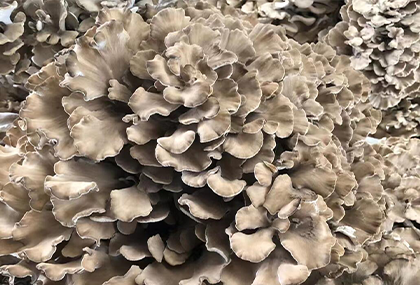

In the chestnut forests of Xinzhuang Village, Xiaguan Town, layers upon layers of dead branches and fallen shells have accumulated. Since the establishment of the Grifola frondosa Common Prosperity Workshop, these materials have been collected, crushed, and turned into mushroom substrate, cultivating clusters of Grifola frondosa (Hen of the Woods). "Taking root in Xinzhuang, accompanied by the fragrance of mushrooms, I have come to understand the weight of common prosperity in the fields, and I have also met a better version of myself," said Zhang Bo, the liaison cadre for the Grifola frondosa Common Prosperity Workshop in Xiaguan Town, with delight on July 29.
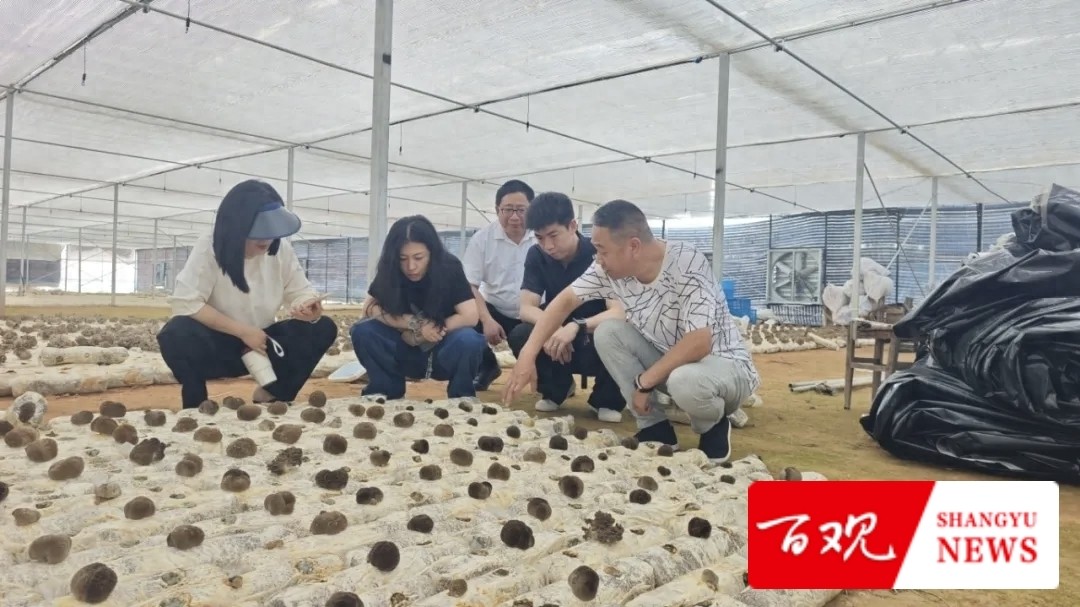
For rural areas to revitalize, industries must first thrive, and people must take root. Young cadres are the most vibrant force in this mountainous countryside, connecting the fields of specialty industries on one end and the vast world of helping farmers increase their incomes on the other. Since the beginning of this year, Xiaguan Town has implemented the "Industry Leadership" requirements of its "Green Geese" cultivation program, promoting the pairing of young cadres from government agencies, village committee secretaries, and young village officials with Common Prosperity Workshops. By working together, they assess real situations on the industrial front lines, identify bottlenecks, and solve problems, thereby activating the endogenous driving force for development.
In May this year, in accordance with the "Ten Strategies for Cultivating Young Village Cadres" under Xiaguan Town's "Guanci Qingyan · Revitalizing Villages for Common Prosperity" initiative, Zhang Bo paired with the Grifola frondosa Common Prosperity Workshop in Xinzhuang Village. Together with four village cadres—Shen Zuanzuan, Shen Zhouna, Shen Wenwen, and Gu Junjun—he formed an assistance group. Their story began with the overlapping, unfolding mushroom caps in the greenhouse.
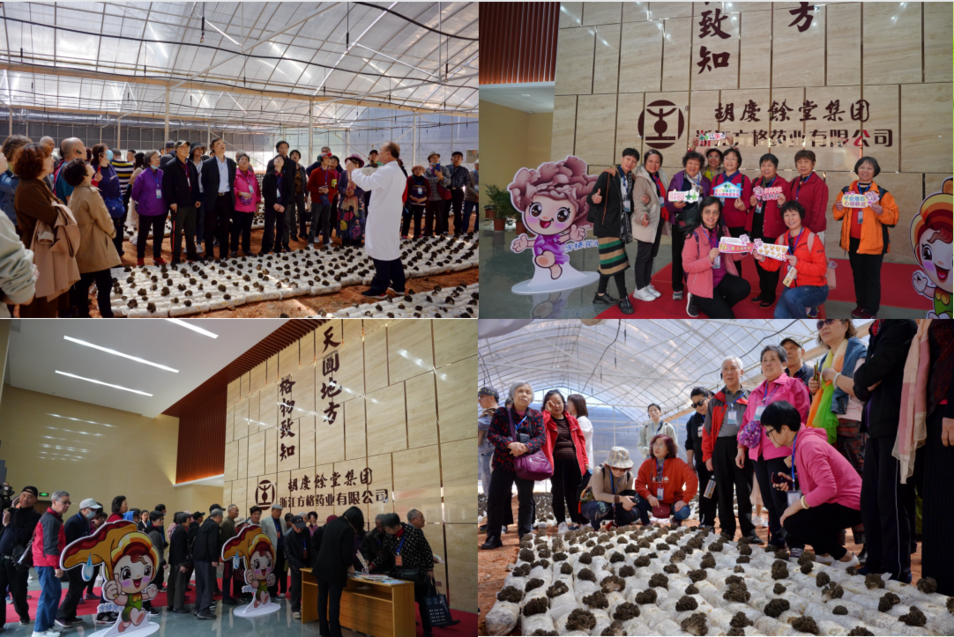
The Grifola frondosa Common Prosperity Workshop was established in 2023. Its culture medium is made from local chestnut deadwood and shells. The larger variety can be eaten fresh or dried, while the smaller variety is primarily for fresh consumption, especially in soups. The mushrooms are harvested in two seasons each year, in April and October. In 2025, the workshop was selected for the provincial agricultural "Double Strengthening" project.
"The first time we went there, the workshop director took us into the greenhouse, where Grifola frondosa mushrooms were sprouting from the substrate," Zhang Bo recalled. He visits the workshop and highland base at least once a week to check the growth of the substrate, record temperature control data, and ask about technical difficulties. During coordination meetings, problems collected are laid out and sorted through; those that can be solved on the spot are handled immediately, while those requiring multi-departmental coordination are pursued through follow-up. At the same time, he assists with compiling acceptance materials for the "Double Strengthening" project, contacting experts from the Zhejiang Academy of Agricultural Sciences for technical guidance, and publishing job postings to recruit greenhouse management personnel—handling each task from start to finish.
In the first quarter of this year, the workshop saw significant changes. The second-phase highland base produced 20,000 jin (10,000 kg) of Grifola frondosa. All 15 mu (approx. 2.47 acres) of standardized greenhouses across five highland sites were put into operation, and the main structures of two industrialized greenhouses were completed. From strain domestication and substrate preparation to greenhouse cultivation, harvesting, and processing, the entire process is conducted in cooperation with the Zhejiang Academy of Agricultural Sciences, steadily advancing on the path toward standardization and intelligent management.
"During this pairing period, we have kept many things in sight and in mind," said Shen Zuanzuan. During the construction of the highland greenhouses, the assistance group coordinated material transport, water, and electricity connections, enabling the 15-mu greenhouses to be completed and put into operation one month ahead of schedule. When mushroom emergence was uneven at the highland base, the group promptly contacted experts from the Zhejiang Academy of Agricultural Sciences and adjusted ventilation and temperature control parameters according to their guidance, resulting in a 10% increase in yield per greenhouse in the next batch.
"After running around for these past few months, I have grown a lot personally," Shen Zhouna reflected. From sitting in the office to immersing herself in the fields, she now knows exactly when the Grifola frondosa should be harvested and how to operate the greenhouse equipment. She is clear about common cultivation techniques and can answer related questions. "I gradually came to understand that the development of the Grifola frondosa industry is directly linked to farmers' incomes. With this heavy sense of responsibility in my heart, I now proactively stay behind to solve problems when they arise," added Shen Wenwen. "Through more frequent communication with various departments, my coordination skills have also improved. Meeting with growers once a week, I've learned about their urgent difficulties and expectations, and I've also learned to explain policies and techniques in plain, simple language."
"'Serving the people' is no longer just words spoken lightly," said Gu Junjun with firm eyes. From initial unfamiliarity to feeling grounded when smelling the mushroom aroma, this land has taught them far more than books ever could. The workshop continues to push forward; a new batch of mushrooms at the highland base is sprouting, and the assistance group's footsteps will not cease—they will tackle tasks one by one, step by step.
Source:
https://www.toutiao.com/article/7668230641053385252/